Pipe Repair and Servicing That Fixes the Cause, Not Just the Leak
Leaking joints, burst sections, corroded fittings and noisy lines — repaired with the correct parts for your pipe material, then tested under pressure so the repair holds.
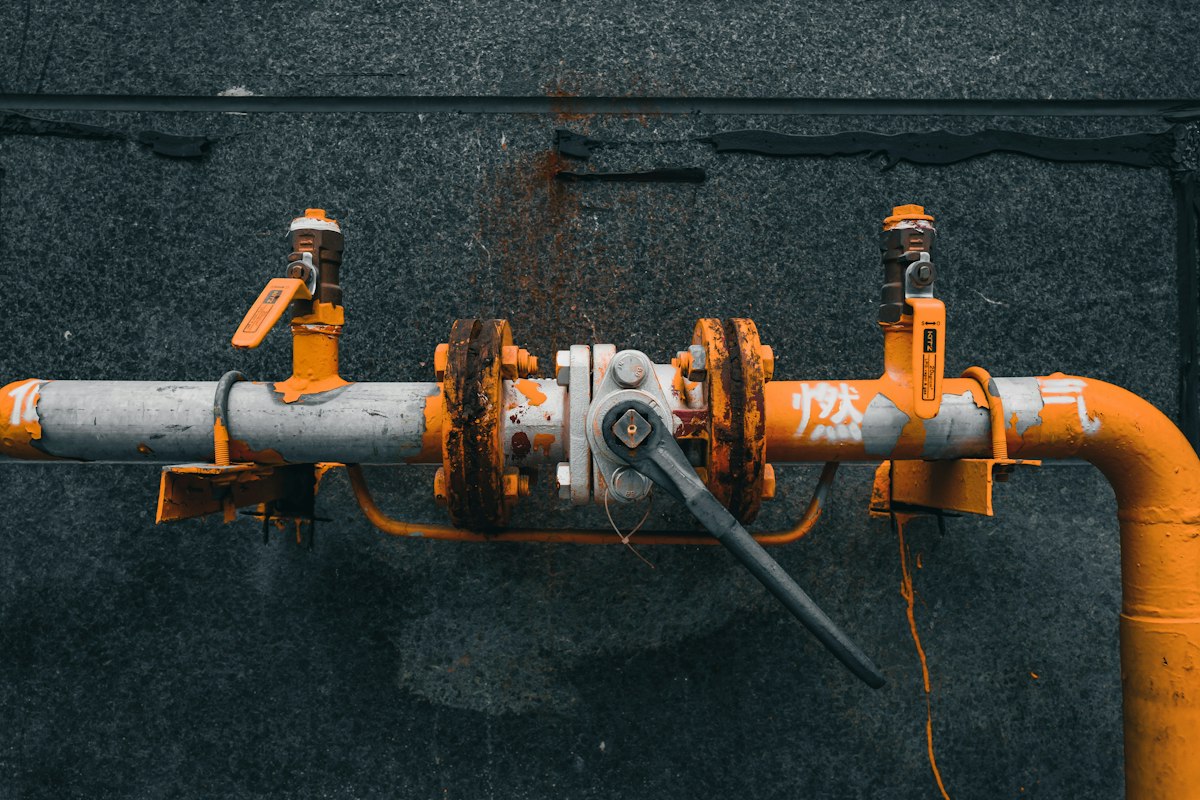
Galvanised iron pipe corrodes from the inside. Over the years the bore narrows with rust, pressure drops, water may run discoloured, and pinhole leaks start appearing at threads and bends. Patching one point often just moves the failure to the next weak spot.
When we find this pattern, we show you: the condition of the removed section, the pressure readings and where the next likely failures are. Then we price both options — a targeted repair now, or a staged replacement of the worst runs — so you can decide with the facts in front of you.
Rust-coloured water after the tap has been off
Pressure falling year by year
Repeated leaks at threaded joints
Visible bulging or flaking on exposed pipe
Servicing
Regular servicing keeps small faults small
A servicing visit is a planned check of the parts that usually fail without warning. It suits older homes, rental properties, offices and shops.
All accessible valves are operated and checked, exposed joints inspected, tank and pump connections examined, drains flow-checked and the meter observed for silent leaks.
For most homes, once a year is sensible. Older GI systems, busy commercial premises and properties with rooftop tanks benefit from a check every six months.