
Pipe servicing · Installation · Leak detection
From a weeping joint under the kitchen sink to a complete new supply and drainage layout, Pipe PerfectPro works the way good pipework should: measured, pressure-tested and finished neatly. You get a clear diagnosis, a written quote before any work begins, and a line that stays dry long after we leave.
Water where it shouldn't be?
Close the main valve, switch off the water pump and keep the area dry. Then call us — we will talk you through the next step.
Who we are
Most plumbing problems are not mysterious — they are just poorly investigated. We start every job by finding the actual cause: the failed fitting, the undersized line, the wrong slope on a drain, the hidden joint that has been seeping into a wall for months. Only then do we recommend a repair, a partial replacement or a new installation.
That approach saves money. You do not pay for parts that were never the problem, and you do not get the same call-out again a month later. It also means our recommendations come with reasons you can understand, written down in plain language.
What we do
Whether the job is a single leaking valve or the full pipework for a new building, the same rules apply: correct sizing, proper supports, sealed joints, a pressure test and a final walkthrough with you before we sign off.
01
New supply and drainage lines for homes, offices and shops — planned, sized and pressure-tested before handover.
02
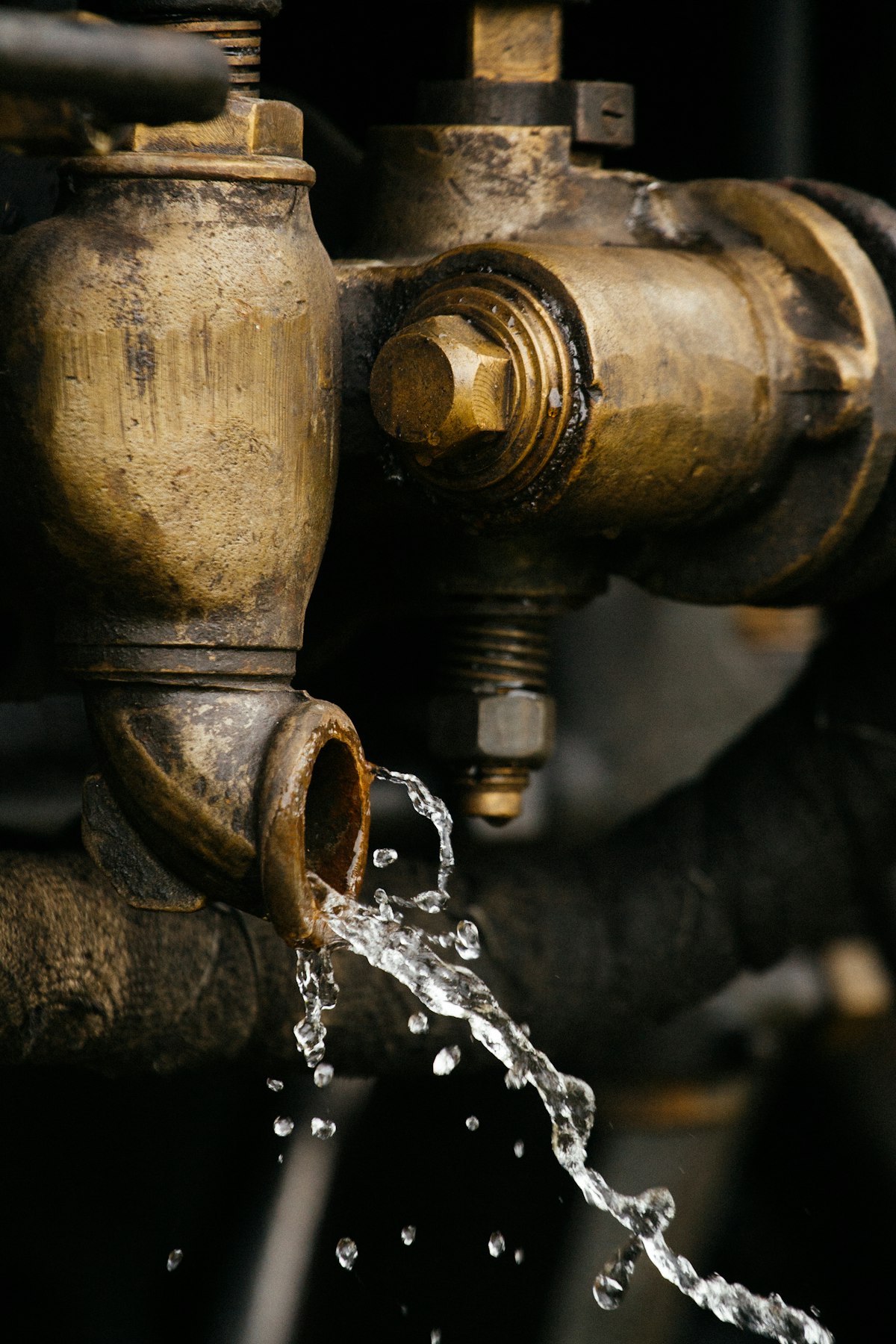
Burst sections, weeping joints, corroded runs and noisy lines repaired properly, with the cause fixed too.
03
Meter, pressure and moisture testing to locate hidden leaks with minimal opening of walls and floors.
04
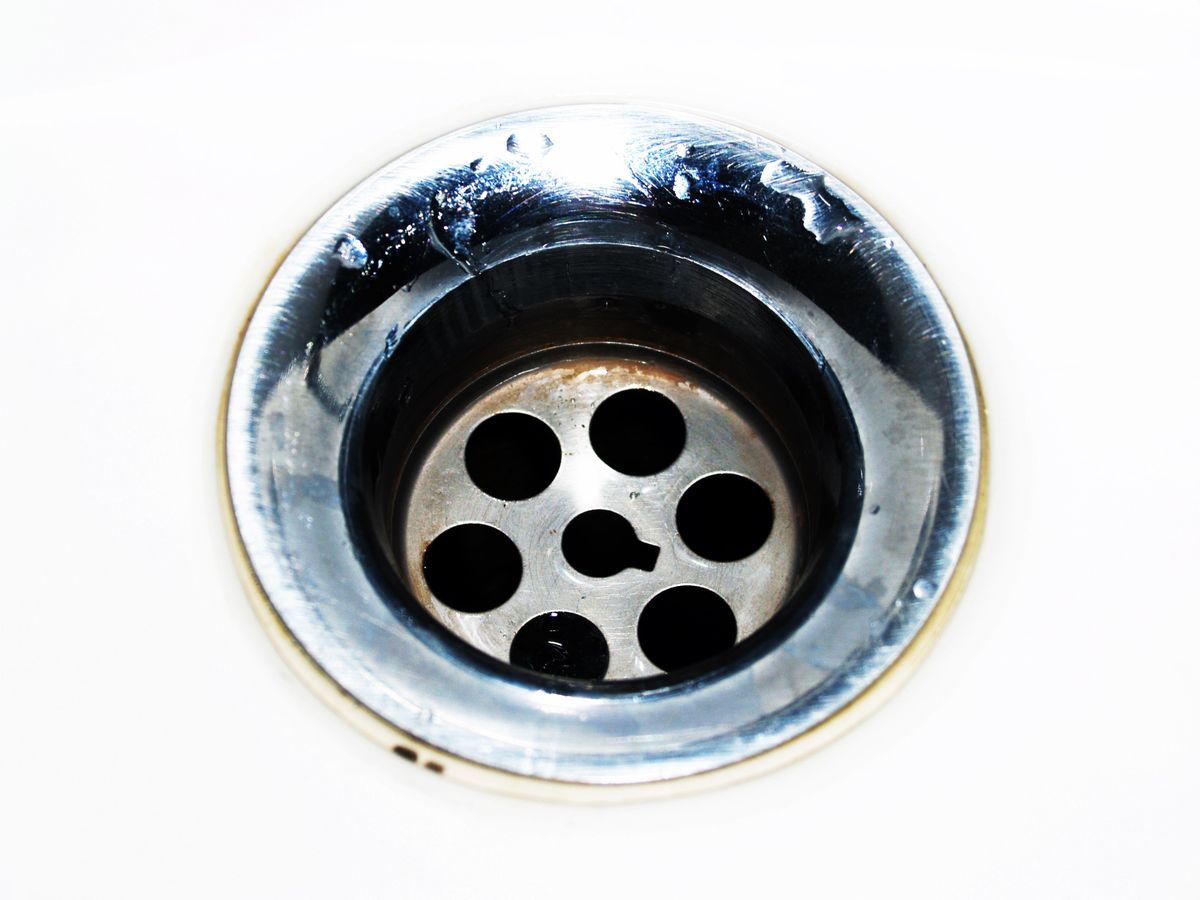
Slow drains, recurring blockages and bad odours cleared and traced back to the slope or fitting at fault.
How a job runs
Plumbing work goes wrong when steps are skipped. Ours are fixed, and you are told what is happening at each one.
Step 1
Describe what you are seeing. We ask a few targeted questions — where, since when, any change in water usage — and book a visit at a time that suits you.
Step 2
Our technician inspects the line, checks the meter and pressure, and isolates sections to pinpoint the fault. You see what we see.
Step 3
You receive a clear, itemised quote with the recommended fix and, where sensible, a lower-cost alternative. No work starts until you approve.
Step 4
We complete the work, pressure-test every new joint, clean up and walk you through what was done and how to look after it.
Warning signs
Pipe faults rarely announce themselves with a burst. They show up as a stain, a sound or a number on the water bill. Catching them early is the difference between a small repair and replacing a damaged floor.
Discoloured plaster, peeling paint or a musty smell usually mean a concealed joint is seeping.
A partial blockage, a failing valve or a leak on the supply line can all drop pressure at the tap.
If the meter moves when every tap is closed, water is escaping somewhere in the system.
Water hammer and hissing point to loose supports, pressure surges or a pinhole leak.
Gurgling and slow drainage often mean poor venting, a sagging line or build-up inside the pipe.
A smell from floor traps or basins can signal a dry trap, a cracked pipe or a failed joint.
Materials
A supply line, a hot-water run and a soil stack have different jobs, so they need different pipe. Matching the material to the job is one of the simplest ways to make an installation last — and one of the most common shortcuts we see on failed systems.
Every material we fit is used with its matching fittings and jointing method. We do not mix systems that were never designed to work together.
Material
Best used for
Why we use it
PPR
Hot & cold water supply
Heat-fused joints with no threads to leak; our first choice for new supply lines.
uPVC
Drainage & waste
Light, smooth-bored and solvent-welded; ideal for soil, waste and vent stacks.
CPVC
Hot water lines
Handles higher temperatures than standard PVC; useful near water heaters.
GI
Existing older systems
Galvanised iron is common in older buildings; we repair, adapt or phase it out.
Copper
Premium supply runs
Durable and neat when exposed; brazed or press-fitted by trained hands.
HDPE
Underground service lines
Flexible and corrosion-free for buried runs from the main to the building.
Our standards
Quick answers
Straight answers to the things people usually ask before booking. There is a longer list on our FAQ page.
We explain any visit or diagnosis charge when you book, before anyone travels. If you go ahead with the work we quote, the inspection is usually folded into the job.
Not if we can help it. We isolate sections and test pressure and flow first, so any opening is small, targeted and agreed with you in advance.
Yes. We can repair galvanised lines, adapt them to modern pipe with the correct transition fittings, or plan a staged replacement if corrosion is widespread.
Most single-point repairs are finished in one visit. Larger replacements and new installations are scheduled in stages, and the timeline is written into your quote.
Yes. The workmanship guarantee and its period are written on your quote and invoice, so you know exactly what is covered.