

Leak detection
A hidden leak wastes water, raises bills and quietly damages plaster, flooring and furniture. We locate it methodically — meter checks, section isolation, pressure-decay testing and moisture mapping — so any opening is small and in the right place.
Signs of a hidden leak
Leaks inside walls, under floors and in buried lines can run for months before anything is visible. If you notice two or more of these, it is worth a test.
Our detection methods
Each test narrows the search. We only move to the next one when the previous result tells us where to look.
With every tap and appliance off, we watch the water meter and, where fitted, the pump. Any movement means water is leaving the system.
This simple test separates a real leak from high usage, and it gives a baseline to compare against after the repair.
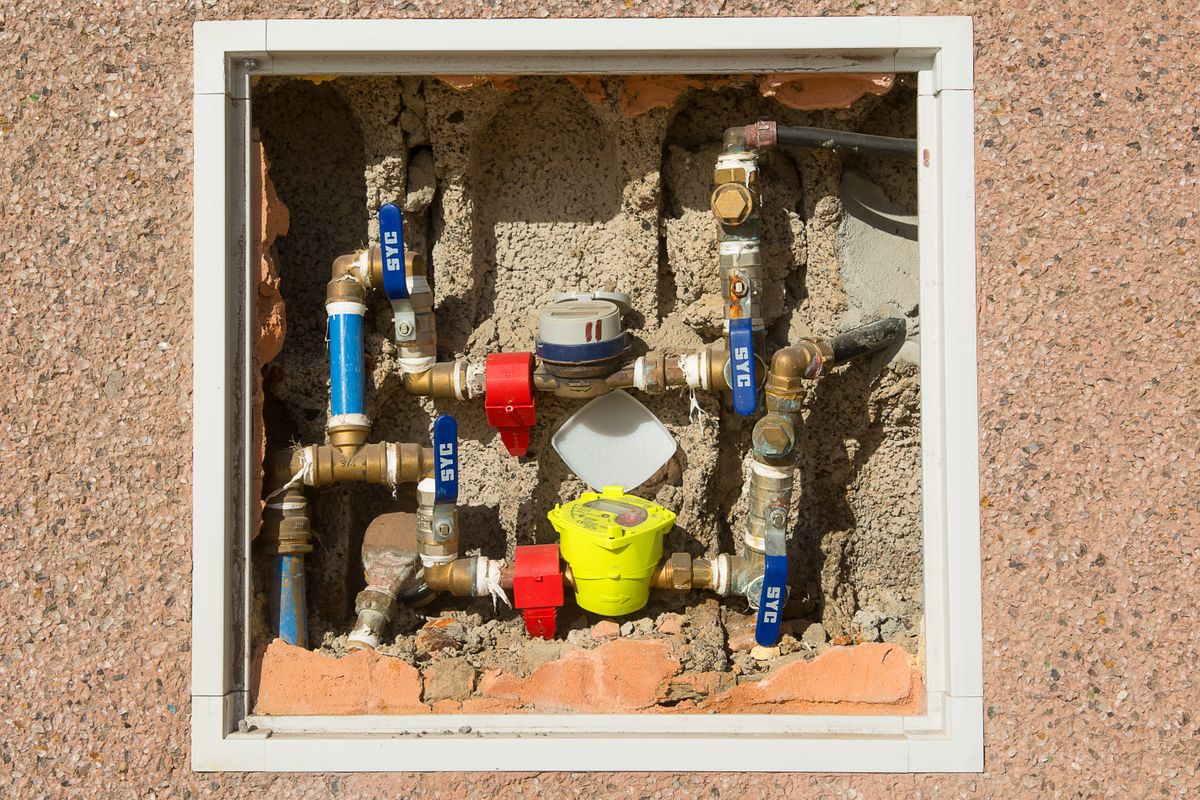
By closing valves on individual branches — kitchen, each bathroom, the tank feed — we find which section the loss is on.
On systems without enough valves, we may recommend adding isolation valves; they make every future repair faster.
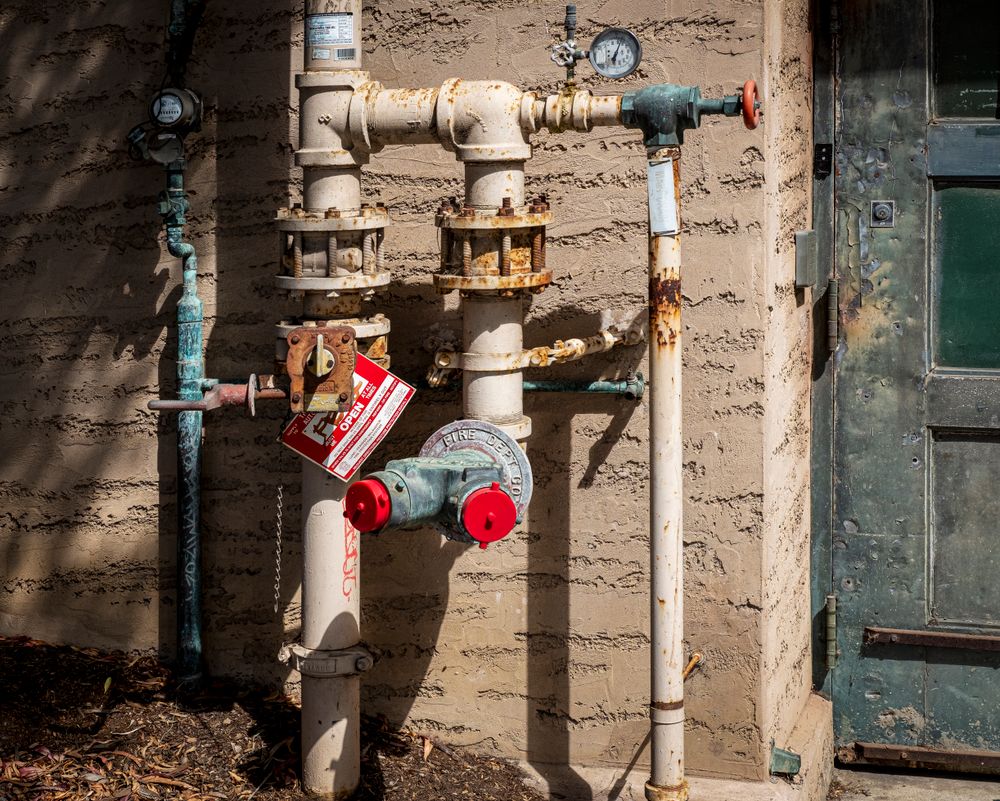
The suspect section is pressurised with a test pump and sealed. A gauge shows how quickly pressure falls, which tells us the size of the leak and confirms the line.
This also proves a repair afterwards: the same test must hold steady before we sign off.
Moisture meters and visual inspection are used along the route of the leaking line to find the wettest point — usually close to the leak itself.
Only then do we propose an opening, sized as small as the repair allows, and agree it with you first.
Why it matters
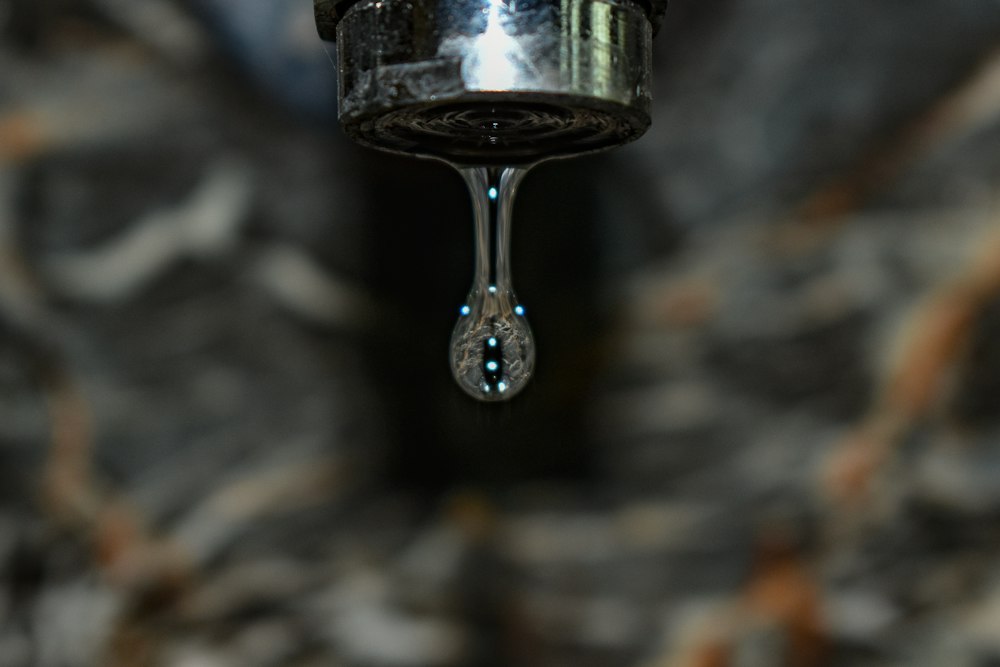
Widely used water-efficiency estimates put a tap dripping once per second at around 30 litres a day — more than 11,000 litres over a year. A pinhole leak on a pressurised line inside a wall can lose far more, and does its damage where you cannot see it.
Beyond the water itself, the bigger cost is usually damage: swollen door frames, mould behind cupboards, lifted tiles and weakened plaster. Finding the leak early keeps the repair small.
What you receive
Where the leak is, how we confirmed it, readings taken and photos of the area.
The repair we recommend, the size of opening needed and any alternative.
The same pressure test repeated after repair, with the result recorded for you.